%2Ffit-in%2F250x250%2Fguide_websites%2F121815%2Fimages%2F1773903108417cartersfishingcharters.png&w=1920&q=100)
/users/72a640a0-c867-46b5-9387-1972f30a43df/ratecard/img_1238-1-mmx0x0y5.jpeg)
%2F300x300%2Fusers%2F72a640a0-c867-46b5-9387-1972f30a43df%2Fratecard%2Fimg_1238-1-mmx0x0y5.jpeg&w=256&q=75)
%2F300x300%2Fusers%2F72a640a0-c867-46b5-9387-1972f30a43df%2Fimages%2Fawendaw-redfish-catch-closeup-3063.jpeg&w=256&q=75)
%2F300x300%2Fusers%2F72a640a0-c867-46b5-9387-1972f30a43df%2Fimages%2Fawendaw-redfish-fishing-catch-2663.jpeg&w=256&q=75)
%2F300x300%2Fusers%2F72a640a0-c867-46b5-9387-1972f30a43df%2Fimages%2Fawendaw-fishing-boat-waters-2547.jpeg&w=256&q=75)
%2F300x300%2Fusers%2F72a640a0-c867-46b5-9387-1972f30a43df%2Fimages%2Fpoling-awendaw-marsh-fishing-2632.jpeg&w=256&q=75)
%2F300x300%2Fusers%2F72a640a0-c867-46b5-9387-1972f30a43df%2Fimages%2Fawendaw-redfish-fishing-catch-2616.jpeg&w=256&q=75)
%2F300x300%2Fusers%2F72a640a0-c867-46b5-9387-1972f30a43df%2Fimages%2Ffishing-reel-boat-awendaw-sc-2528.jpeg&w=256&q=75)
%2F300x300%2Fusers%2F72a640a0-c867-46b5-9387-1972f30a43df%2Fimages%2Fdouble-rod-fishing-awendaw-sc-2581.jpeg&w=256&q=75)
%2F300x300%2Fusers%2F72a640a0-c867-46b5-9387-1972f30a43df%2Fimages%2Ffishing-action-awendaw-sc-2578.jpeg&w=256&q=75)
%2F300x300%2Fusers%2F72a640a0-c867-46b5-9387-1972f30a43df%2Fimages%2Fawendaw-redfish-catch-2699.jpeg&w=256&q=75)
%2F300x300%2Fusers%2F72a640a0-c867-46b5-9387-1972f30a43df%2Fimages%2Fawendaw-fishing-boat-ready-2566.jpeg&w=256&q=75)
Charleston Flats Fly Fishing Charter with Redfish
 Charleston, SC
What you will be catching:
 Redfish
- Four-hour guided fly fishing in Charleston's shallow marshes
- Premium gear provided with expert instruction for all skill levels
- Small groups of two anglers with morning and afternoon availability
Trip Pricing and Availabilities:
Half-Day Fly Fishing in Charleston's Flats
If you're looking to get serious about saltwater fly fishing without committing to a full day, this four-hour guided trip hits the sweet spot. We'll work the shallow marshes around Charleston where redfish and speckled trout cruise the flats, giving you plenty of shots at some of the Lowcountry's most sought-after species. Whether you're new to the salt or just want to dial in your technique, this trip delivers quality instruction and productive fishing time. At $530 for up to two anglers, you get a private guide, premium gear, and access to some of Charleston's top-rated inshore waters. No need to bring anything but yourself and maybe a snack – we've got the rest covered.
What to Expect on the Water
This trip takes you into Charleston's maze of tidal creeks and grass flats where the real magic happens. We're talking skinny water – sometimes just a foot or two deep – where redfish tails break the surface and trout dimple the calm spots between oyster bars. The morning sessions often start before sunrise to catch the incoming tide, while afternoon trips capitalize on the falling water that pushes baitfish out of the marsh. Your guide knows these waters like the back of their hand, reading the tide charts, wind direction, and seasonal patterns to put you on fish. The boat we use is designed for this work – a shallow-draft skiff that can pole through water so thin you'll wonder how we're floating. Most days, we'll spend time both sight-casting to visible fish and working productive structure when the fish are holding deeper.
Fly Casting in the Salt
Saltwater fly fishing is a different animal than freshwater, and this trip gives you the hands-on coaching to master it. We start with the gear – an 8 or 9 weight rod that can handle the wind and turn over bigger flies. The reels have serious drag systems because these fish will test your equipment. Your guide will walk you through the casting fundamentals specific to flats fishing: the double haul for distance, accuracy casting to moving targets, and managing line in the wind. We'll work on presentation too – how to lead a cruising redfish, when to strip fast versus slow, and reading a fish's body language to know if it's interested. The flies we use are tied specifically for these waters: spoon flies, shrimp patterns, and crab imitations in colors that match the local forage. Everything's provided, but if you have your own gear and want to bring it, most guides are happy to let you fish with familiar equipment.
Top Catches This Season
Redfish are the main target here, and for good reason – they're aggressive, fight hard, and live in the perfect habitat for fly fishing. These copper-colored bruisers cruise the flats in schools or solo, often with their backs or tails visible in the shallow water. Charleston's redfish typically run 20 to 30 inches, with some slot fish pushing the upper limit and the occasional bull red making your drag scream. They're most active during moving tides when they're hunting crabs and shrimp in the grass beds and oyster bars. Spring and fall offer the most consistent action, but summer mornings and winter warm spells can be productive too. What makes redfish so exciting on fly gear is their willingness to eat a well-presented fly and their habit of feeding in water so shallow you can watch the entire encounter unfold. When a red turns on your fly and that bronze back lights up, you'll understand why anglers get obsessed with sight-fishing these flats. The speckled trout add another dimension to the trip – they're typically found in slightly deeper pockets and around structure, hitting the fly with aggressive strikes that often result in spectacular jumps.
Time to Book Your Spot
This half-day trip represents some of the best value in Charleston's guided fishing scene. You're getting world-class instruction, access to productive waters, and the chance to target species that make the Lowcountry famous among fly anglers. The four-hour format works perfectly for beginners who want to learn without fatigue, experienced anglers looking to explore new techniques, or anyone wanting to sample Charleston's renowned inshore fishing. With only two anglers per trip, you'll get personalized attention and plenty of casting opportunities. The guides at Fly Fishing of Charleston know these waters and how to put clients on fish, whether you're working on your first redfish or trying to perfect your sight-casting game. Book early, especially during peak seasons, as these customer-favorite trips fill up quickly among both locals and visitors who've discovered what makes Charleston's flats fishing so special.
Learn more about the animal
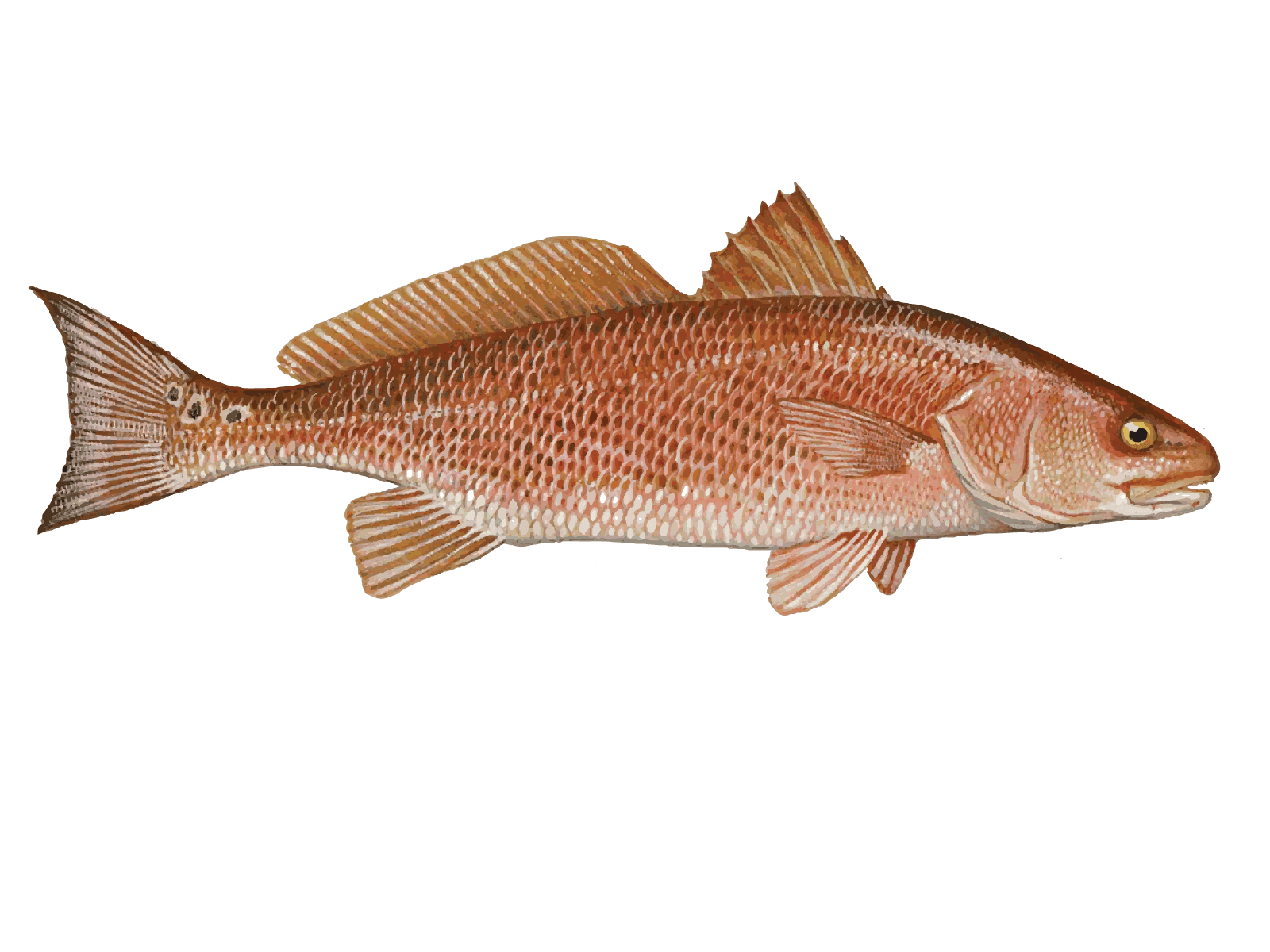
Redfish
Redfish are what make Charleston's shallow water fishing so special. These copper-backed beauties with their signature black spots cruise our grass flats and oyster bars in 1-4 feet of water, sometimes so shallow their backs stick out. They're built for this skinny water life - strong shoulders and that distinctive red coloration that fades to white on the belly. Around here, you'll find them year-round, but fall and spring offer the most consistent action when they're actively feeding. A typical Charleston red runs 20-28 inches, though we see plenty of slot fish that'll test your drag. What makes them so popular is that explosive strike - they hit hard and make long runs that'll get your heart pumping. They're also excellent table fare with that mild, sweet flavor that works great on the grill. Here's a local tip: when you spot one tailing in the grass, cast your fly about 3 feet ahead and let it sink slowly. They can't resist that vulnerable presentation.
About the Cayo 173
%2F%2Fusers%2F72a640a0-c867-46b5-9387-1972f30a43df%2Fvehicle_picture%2F_v4a89d40-1-mmx5dlkz.png&w=1920&q=75)
Vehicle Guest Capacity: 2
Manufacturer Name: Suzuki
Maximum Cruising Speed: 60
Number of Engines: 1
Horsepower per Engine: 250